
The finance function is getting smaller, and better
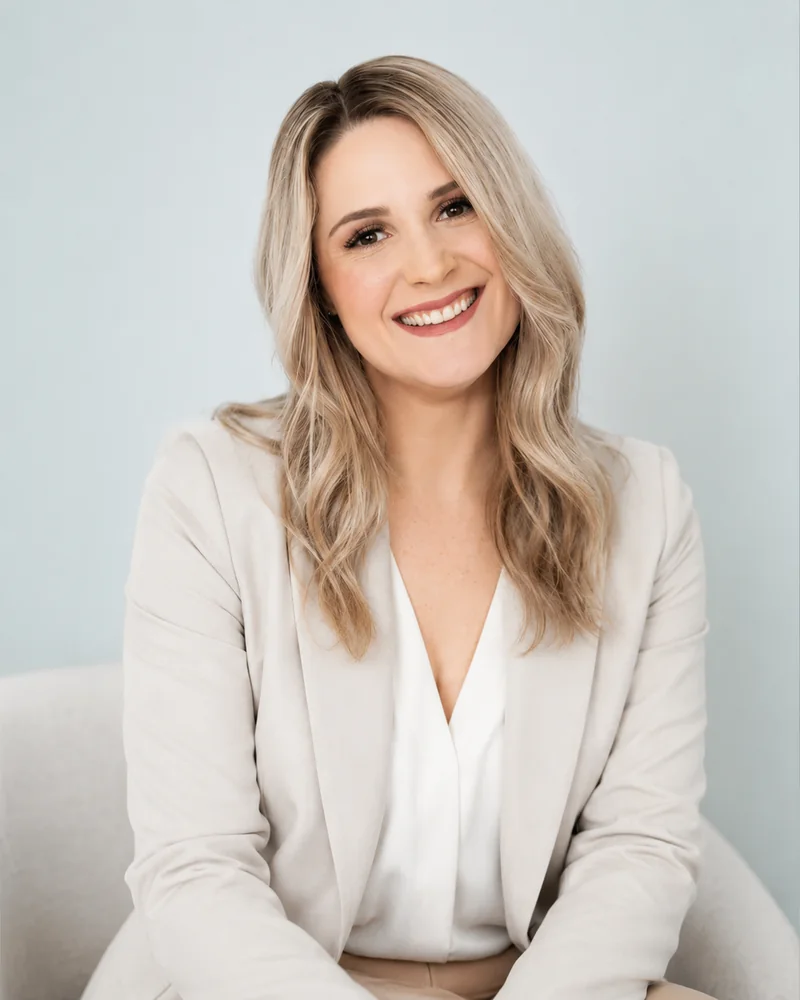 Jamee White, CPA7 min read
Smaller in headcount, faster in cadence, higher in judgement. That's what the finance function looks like once automation properly matures: books stay current in near real time, and the humans work exceptions, controls and decisions rather than data entry. This isn't some distant corporate trend either. The tools already sit inside the Xero ecosystem, and the practices using them well are already running this way. Here's a grounded picture of the shift, without the hype that usually surrounds it.
From batch to continuous
Bookkeeping has always run as batch work: transactions pile up, someone processes the pile, and reports appear weeks after the events they describe. That rhythm existed because processing used to be manual and expensive. Feeds, capture tools and matching automation stripped most of that cost out, and the natural cadence of a file shifted from monthly toward continuous. Once books stay current within days, the monthly report stops being an autopsy and starts acting like an instrument panel instead.
This is the deepest change happening, and it's easy to miss because every individual tool looks small on its own. A feed here, a capture app there, a rule set, an anomaly flag. Stack them together and a well run small business file in 2026 looks closer to a live system than a ledger, with decisions getting made against numbers that are days old rather than months.
The work that's left is different work entirely
Once processing automates, what remains is everything automation can't hold: design, judgement and accountability. The finance function of this era spends its human hours in a few predictable places.
- Designing the system: chart structure, tracking dimensions, rules and the app stack, decided deliberately rather than accreted over years
- Working the exceptions: the flagged transaction, the GST edge case, the mismatch a model couldn't resolve, each one cleared by someone with actual context
- Owning the controls: reconciliation sign off, payroll review, BAS review, the checkpoints where a qualified person stands behind the numbers
- Interpreting the data: turning current numbers into margin insight, cash flow foresight, and the occasional hard conversation about a product line
- Advising forward: budgets, pricing, funding and structure decisions, which is genuinely where the finance function earns its fee
What this means for a small business owner
Practically, the shift shows up in what you should expect from your bookkeeping. Books that are days current, not weeks stale. Reports that arrive early in the month with actual commentary, not just columns of numbers. Questions answered from live data rather than after some processing delay. A fee that buys review, controls and advice, because the keystrokes are no longer the product being sold. If your current arrangement still delivers a quarterly shoebox reconciliation, the gap between what you're getting and what's now normal is wide, and it's widening.
It also changes the hiring question. The old default of a part time data entry bookkeeper inside the business makes far less sense once the data entry itself has largely disappeared. The real choice now sits between building automation skill in house or engaging a practice that already runs this way, and for most businesses under a certain size, the second option delivers more competence per dollar.
What doesn't change
Accountability stays human. BAS agents and accountants carry professional obligations no tool can absorb, and the ATO, your bank and your insurer all expect an actual person standing behind the figures. Trust stays human too: owners tell their bookkeeper things they'd never type into a chat box, the divorce, the cash crunch, the plan to sell, and that real story is often the single most important input into how the books should be kept. This era's finance function isn't software instead of people. It's software underneath people doing more valuable work than they used to.
Built for this from day one
NextEra Bookkeeping was founded on this model rather than retrofitted to it afterward: automation keeps client files continuous, and CPA led judgement owns the exceptions, the controls and the advice. If you want to see what your own finance function would look like run this way, the Strategic Finance Review maps your current setup against it and hands you the honest gap list.
Quick answers
Books kept current within days through automation, a monthly rhythm of reviewed reports with real commentary, and human effort concentrated on exceptions, controls and forward looking advice rather than data entry.
This article is general information for Australian businesses, current at the published date. It is not financial, tax or legal advice. Speak to a registered agent or adviser about your circumstances before acting.
Jamee White, CPA
Founder of NextEra Bookkeeping. Jamee leads a team supporting established Australian businesses with strategic bookkeeping, reporting, payroll and Xero, and is a multiple national awards finalist across bookkeeping and finance.